
Five early-career researchers share their passion for science and their hopes for the community
The Nova Science Fellowship, jointly launched by the STELLAR SCIENCE FOUNDATION (SS-F) and ANRI, is a program designed to support early-career researchers pursuing bold and challenging scientific work, providing both funding and access to a broader research network.
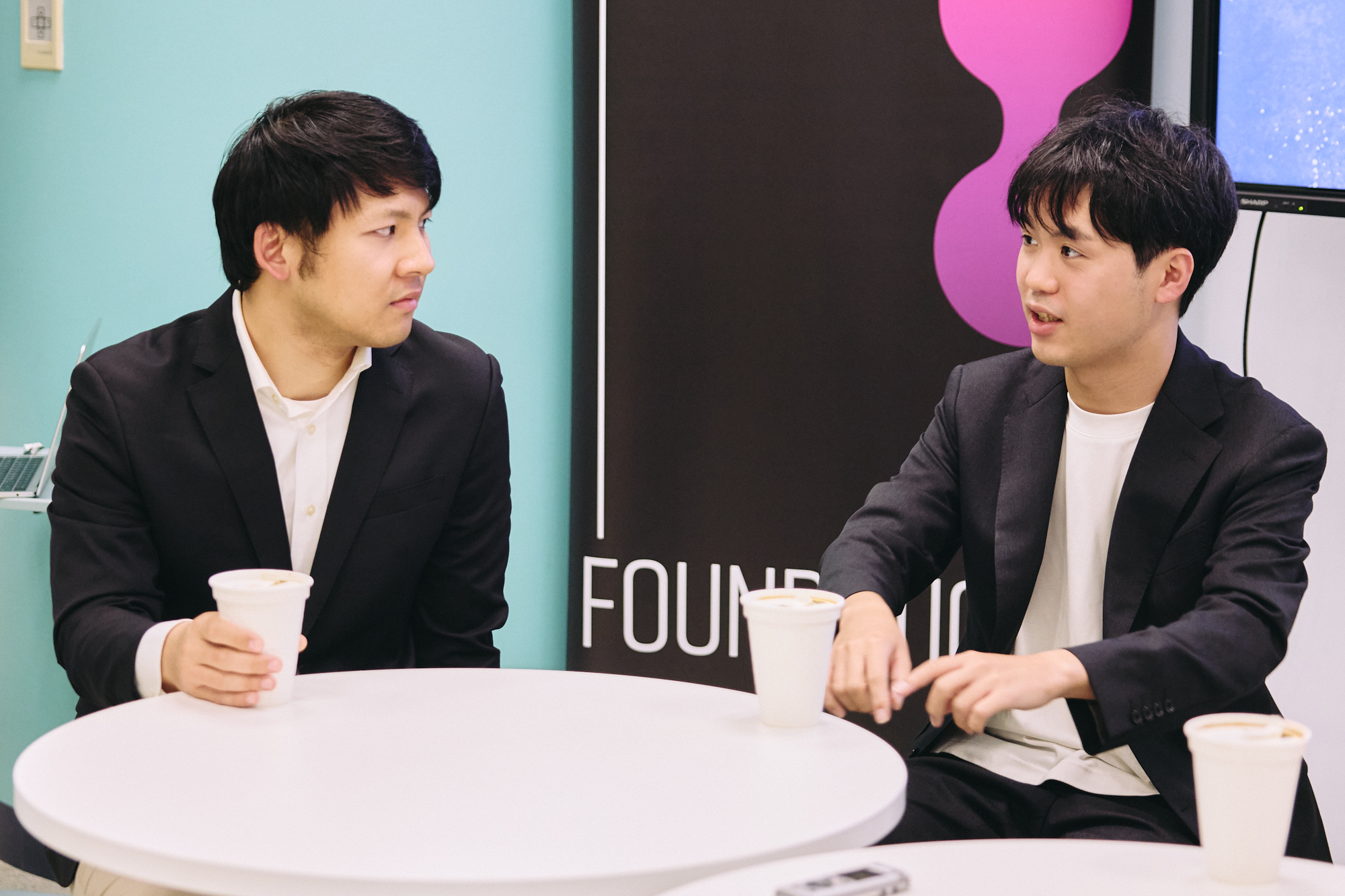
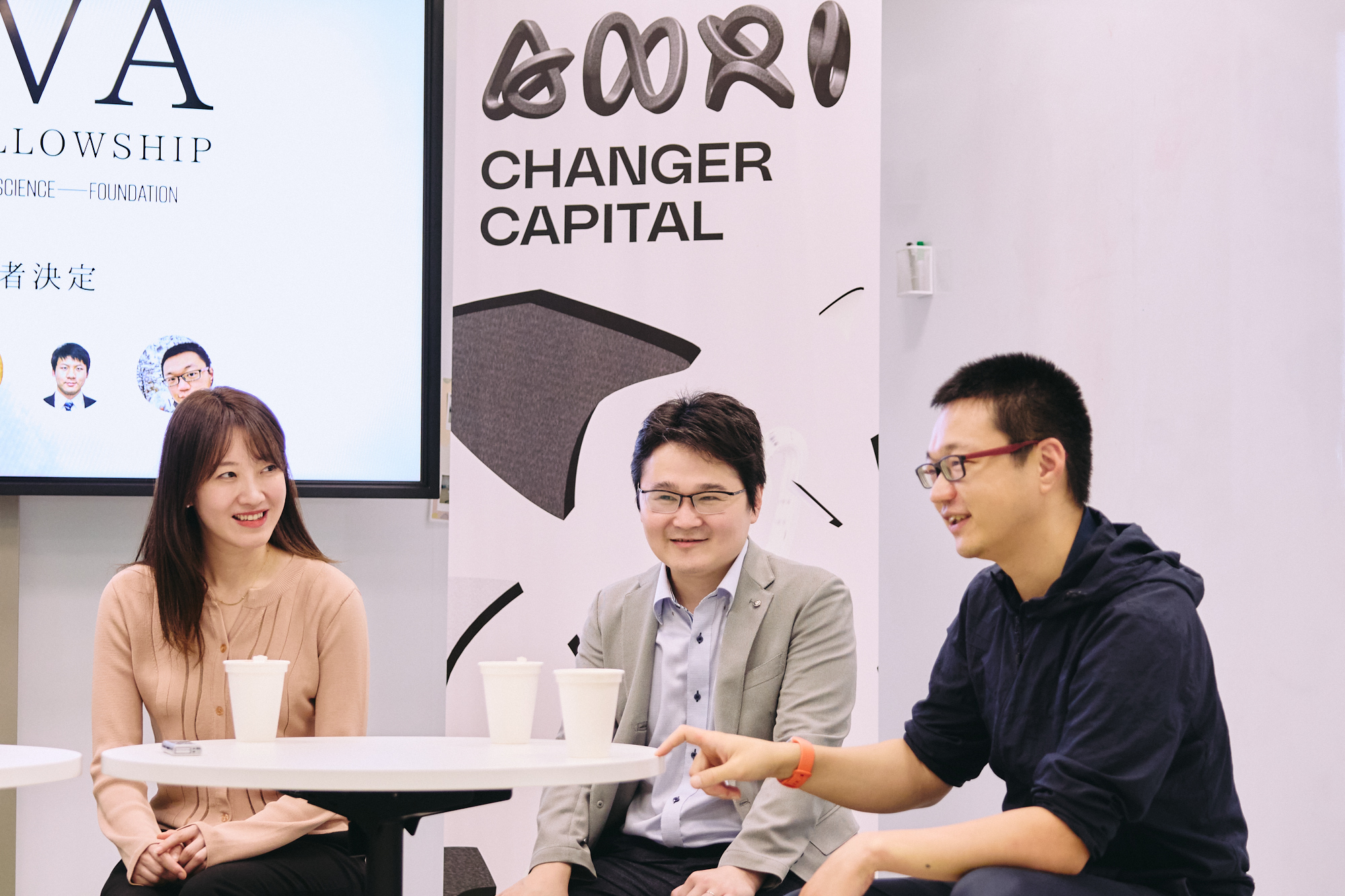
In October 2025, the five awardees of the first cohort gathered for their initial meet-up, where dynamic discussions emerged across diverse disciplines. Alongside their deep passion for their respective research, the conversation also touched on the structural challenges faced by young scientists in Japan.
This article highlights their wide-ranging research projects and the shared realization, surfaced through their dialogue, of the vital importance of human connections.

“Pushing the Boundaries of New Fields” — Introducing the Five Fellows
The meet-up began with a series of lightning-style self-introductions where each fellow presented for two minutes, followed by a five-minute Q&A. Their research topics span a wide range of fields, yet they all share a common thread: a willingness to venture into new and unexplored territories.
Yuichiro Iwamoto, Ph.D. (The University of Tokyo)
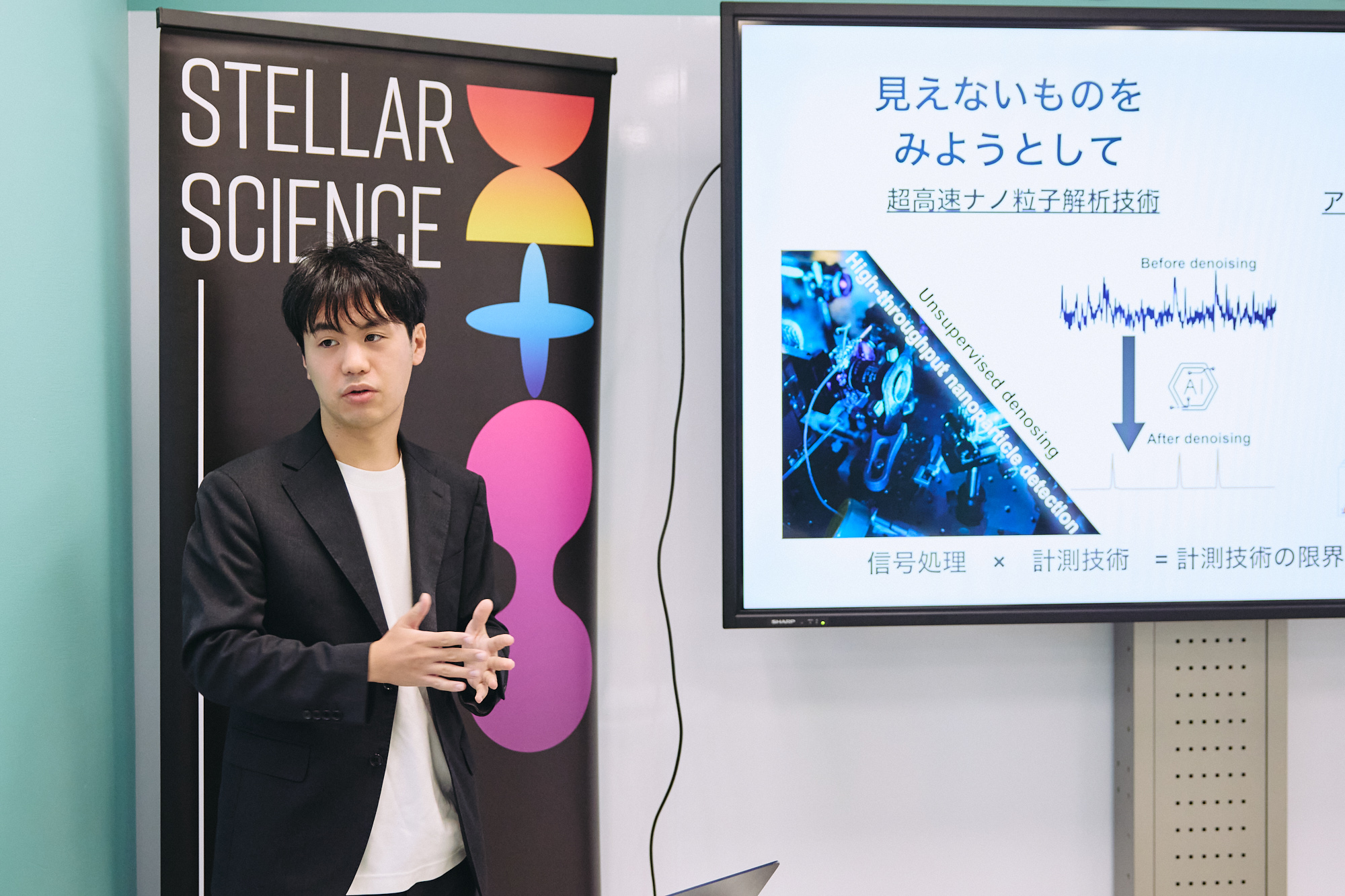
Combining deep learning with advanced measurement technologies, Yuichiro Iwamoto is taking on the challenge of ultra-fast single-molecule detection.
Driven by a fascination with “how to express complex phenomena in simple terms,” he will be joining an overseas research institute next year. His motto is “Make a dull world interesting.” His motto is “Make a dull world interesting.” He brings that attitude into everything he does, joking after a long-distance ride that his knees were so sore he wasn’t sure he could keep standing.
During the Q&A, questions centered on his upcoming research plans abroad and his previous experience working in industry. Particularly notable was his desire to “bridge the gap between academia and industry.”
Having worked on both sides, he emphasized the need for “a place where people can pursue science seriously, separate from educational obligations,” expressing his hopes for new models of research environments.
Masashi Okamoto, M.D. (Osaka University)
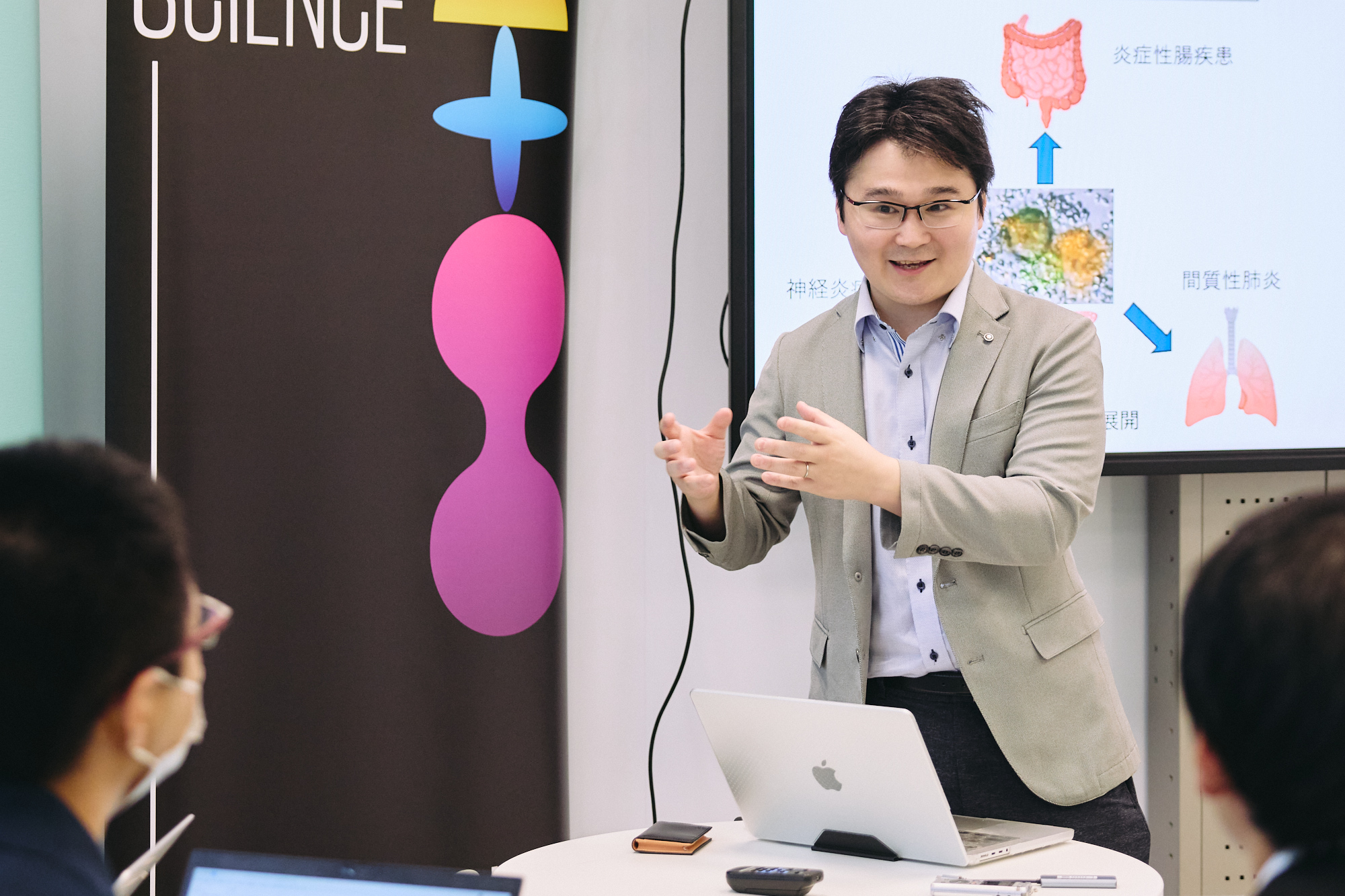
After graduating from medical school, Masashi Okamoto spent five years working as a clinical physician and is now conducting research as a graduate student. He is pioneering a new field that integrates immunology with organoid technology, which he calls “immune-complex organoids.”
He also continues to practice medicine in outpatient clinics. “Research often involves long hours of solitary work, while clinical practice connects me directly to society and gives me a tangible sense of helping patients. Moving back and forth between the two helps me maintain balance in my perspective,” he says.
During the Q&A, discussions centered around organoids of lymphoid tissues, including lymph nodes. “The interactions between solid-organ organoid models and the immune system are only just beginning to be reported—it’s a very young field,” Okamoto explained.
At a time when very few researchers around him are working on inducing immune cells from iPS cells, his determination to carve out his own research path came through clearly.
Tomoko Kasahara, Ph.D. (RIKEN)
Tomoko Kasahara is working to unravel the “rejuvenation program” that occurs during human embryonic development, with the ultimate goal of making aging a controllable biological process. She initially studied kidney organoids derived from iPS cells, but became interested in chronic kidney disease along the way, an interest that eventually led her into the field of aging research.
She chose kidney organoids precisely because the kidney is a highly complex organ composed of more than 20 cell types, and at the time, no one had succeeded in creating one. “I wanted to climb the highest wall,” she says, explaining her motivation for taking on the challenge.
During the Q&A, participants discussed the challenge of defining aging itself. Kasahara noted, “It is extremely difficult to define aging. It involves phenomena occurring across multiple temporal, cellular, and molecular layers, all intricately intertwined, so it cannot be captured by a single metric.” Her approach, using transcriptomic and epigenetic signatures to define aging, left a strong impression on the group.
Ni Lu, Ph.D. (Center for iPS Cell Research and Application, Kyoto University / CiRA)
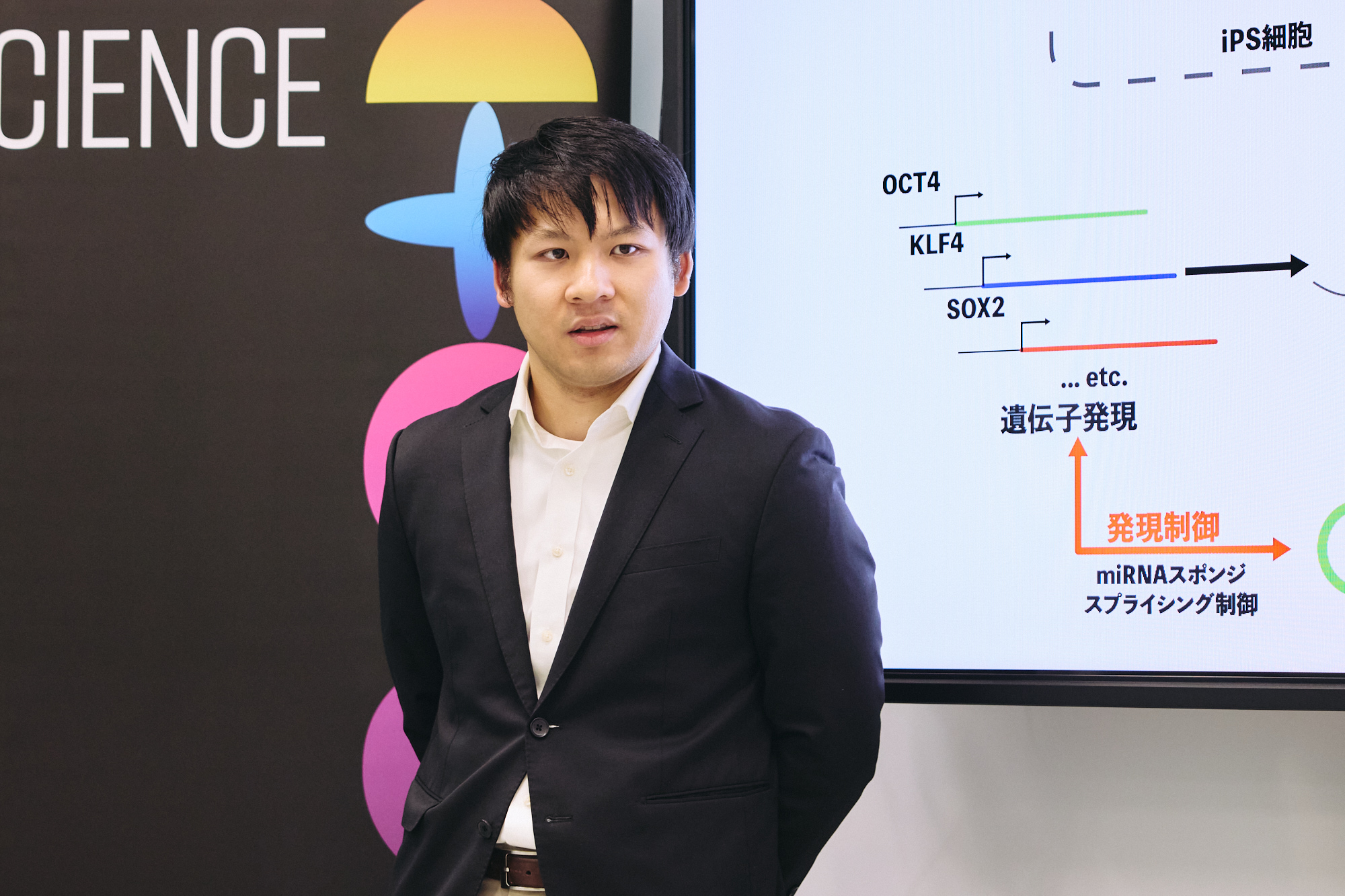
Ni Lu studies circular RNAs contained in stem cell derived exosomes. With a background in chemistry, he has long been interested in regulating RNA using small molecules. By combining molecular biological analyses with comprehensive datasets, he aims to uncover the roles that circular RNAs play in stem cell function.
He spent his childhood in Japan from ages 1½ to 9, then lived in the United States, Germany, Ireland, and China before returning to Japan. His hobby is astrophotography: “I’m just an amateur, but I’m pretty serious about it,” he says with a smile.
During the Q&A, the discussion centered on the unique characteristics of circular RNAs. “While the half-life of a typical messenger RNA is about four hours, a circular RNA can last as long as three days because they are extremely stable,” Ni explained. He noted that these molecules play diverse and multifaceted roles in gene expression regulation, including transcriptional control.
He also highlighted the technical challenges around the difficulty in detection due to sharing the same sequence as linear RNAs and touched on their relevance to cancer biology and neural development, drawing strong interest from the group for this emerging field.
Keisuke Matsuda, Ph.D. (Kyushu University)
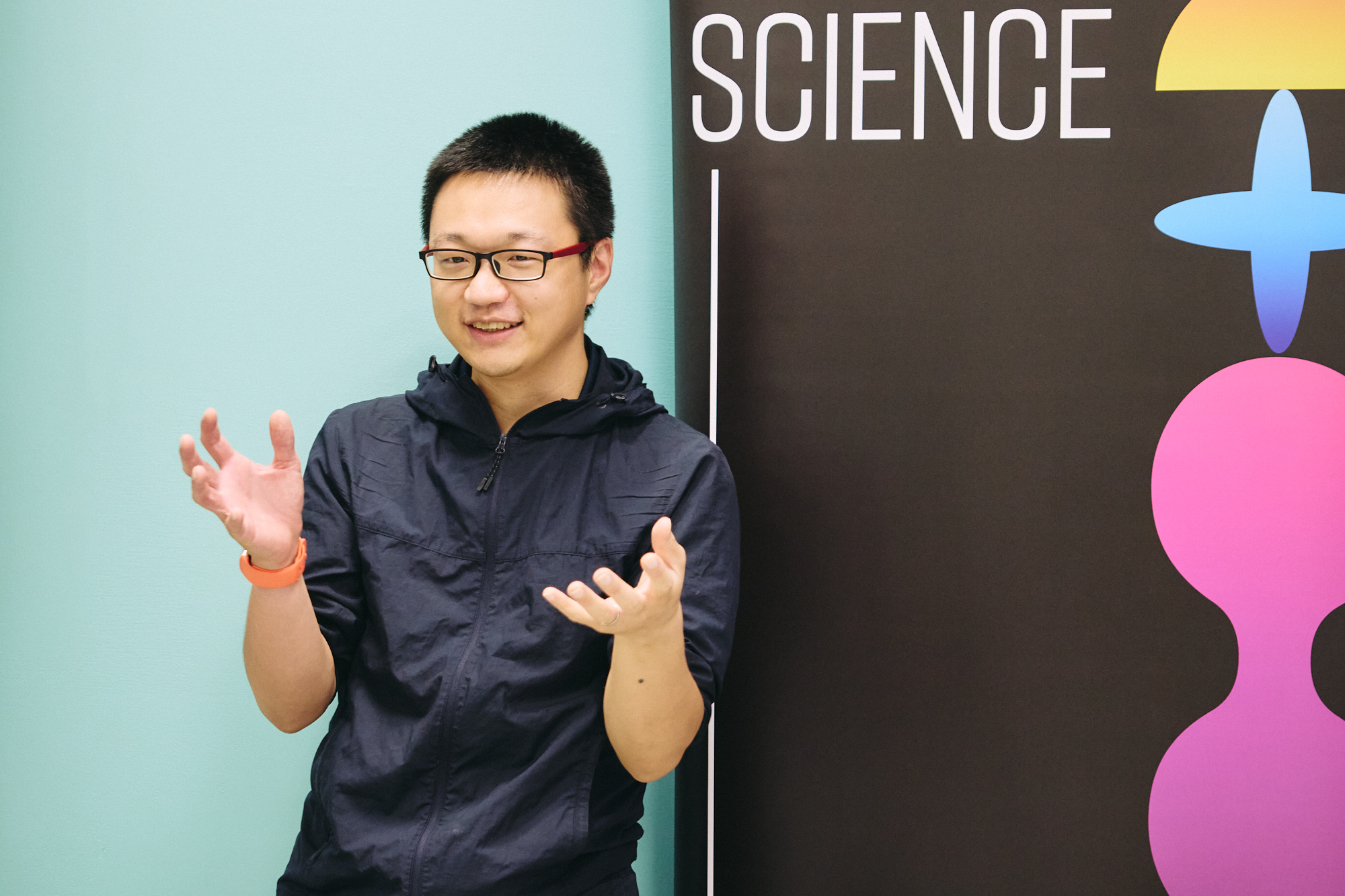
Keisuke Matsuda investigates the mechanical principles that drive biological morphogenesis. His research themes may appear unrelated at first glance—rhinoceros beetle horns, the shape of sea grapes, origami—but they are all connected by a single fundamental question: “How do forms emerge?”
Using a unique approach that integrates mechanical simulations with experiments, he pursues what he calls “fun research.” His academic affiliations include the Origami Society and the Mathematical Society for Traffic Flow, reflecting his broader interest in the relationship between individuals and collective behavior.
During the Q&A, attention turned to experiments that induce morphological changes without relying on proteins. One example that surprised the fellows involved inserting magnetic beads in beetle horns and guiding growth with magnets to create new protrusions. This mechanical perspective, distinct from traditional molecular biology, offered a refreshing and stimulating angle.
Despite the many technical terms exchanged, what stood out was everyone’s eagerness to understand each other’s work. The session became a genuine moment of realizing how perspectives from different fields can spark new insights. The atmosphere grew so relaxed and lively that it was hard to believe it was their first meeting, and several participants remarked that they “still had so much more to talk about.”
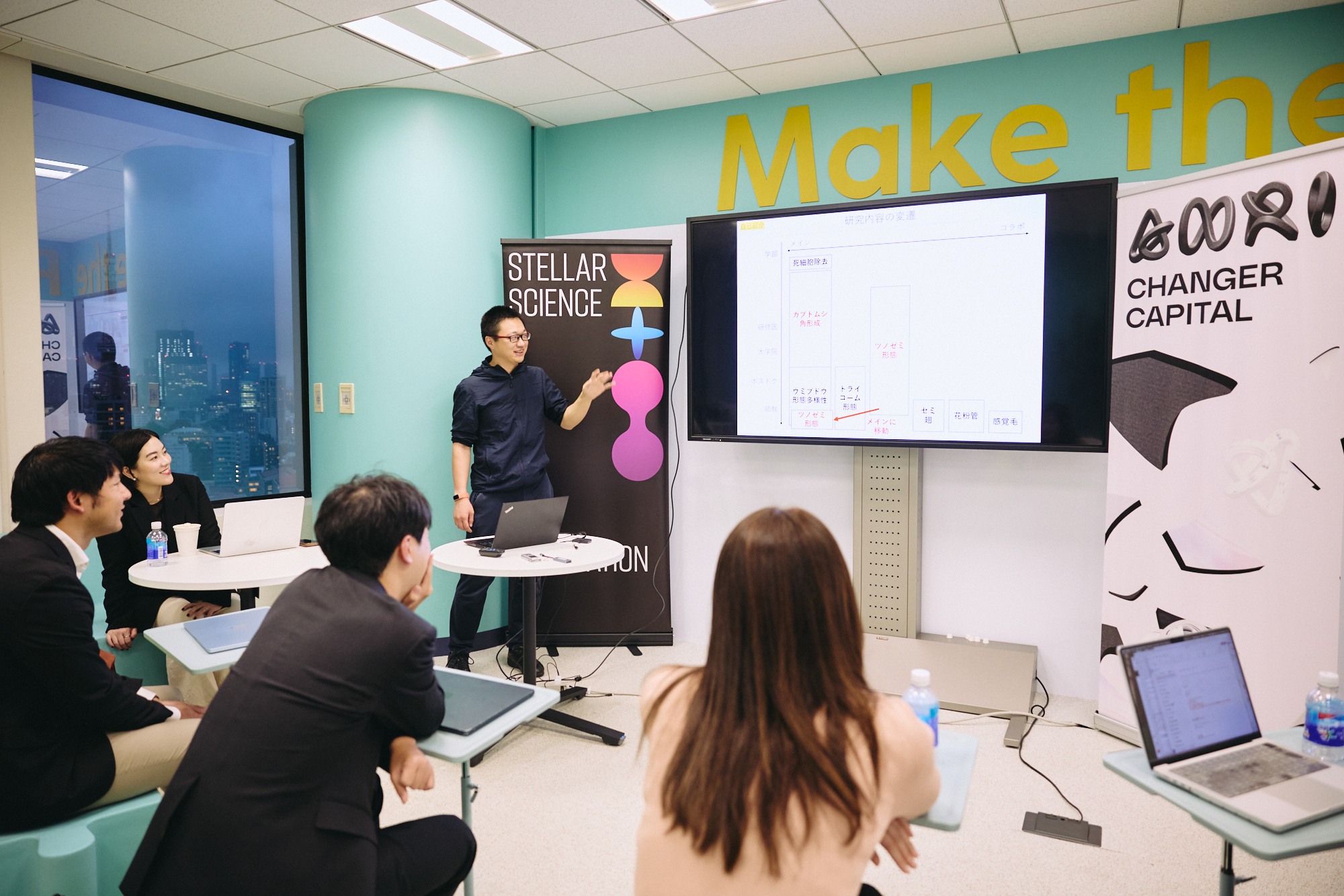
The Real Challenges Faced by Early-Career Researchers
After a short break, the roundtable shifted to a discussion on the challenges that early-career researchers face in their working environments. As the fellows spoke candidly about issues such as isolation and opportunities for collaboration, shared concerns and their visions for an ideal research environment began to emerge.
Isolation and the Value of Community
When Okamoto commented that “just staying in the lab can make you feel quite isolated,” the other fellows nodded in strong agreement. This tendency is especially pronounced in basic research. Kasahara pointed out, “In disease research, we sometimes have opportunities to present to patient groups and feel connected to society. But the deeper you go into basic science, the more isolated it can feel.”
The more unique and specialized a research topic becomes, the fewer people there are who can easily understand it, and the harder it becomes to find someone with whom you can casually “bounce ideas.” For women researchers, the scarcity of role models adds another layer of difficulty.
For these reasons, the importance of a community where peers pursuing similarly ambitious paths can share struggles and support one another was a recurring theme throughout the discussion.
The Chain Reaction of Ideas Sparked by Meeting People
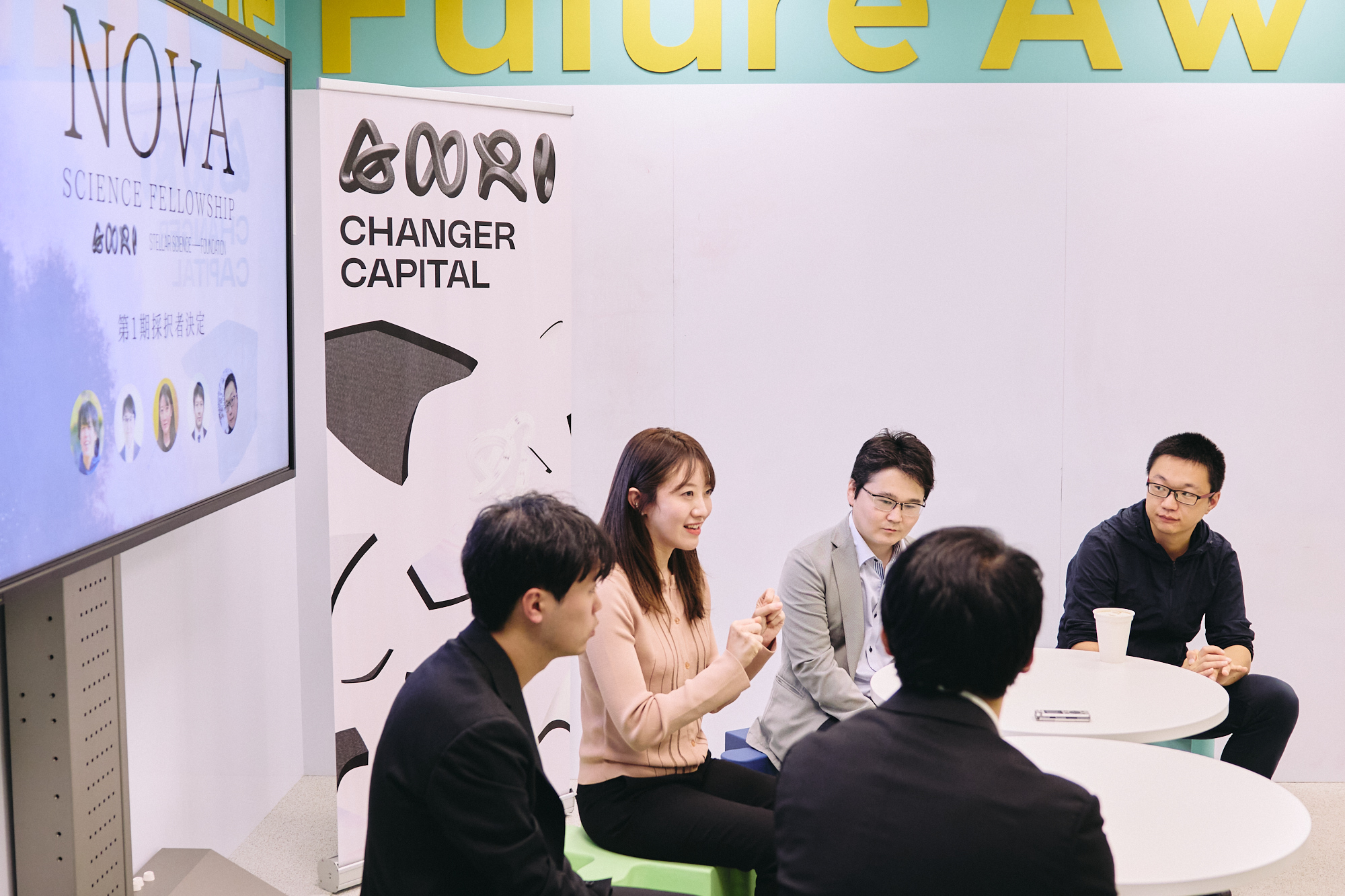
While isolation emerged as a shared concern, the fellows also spoke about the positive impact that human connections can have on research. Matsuda emphasized the importance of diverse interactions: “Talking with researchers from different fields gives me new inspiration. I’d love to talk not only with people in industry but also with origami enthusiasts from entirely different domains.”
Ni added that he had gained new ideas for circular RNA research from conferences and conversations in completely different fields. Sometimes, it is precisely because a perspective comes from outside one’s specialty that it triggers an unexpected insight.
Meeting people, exchanging ideas—these experiences can become the very catalyst that accelerates research. This sentiment was shared broadly among the fellows.
From Competition to Collaboration: The Possibility of a “Band-Style” Research Model
The discussion also turned to the structure of research environments in different countries. Okamoto noted:
“In Germany, the division of labor is very efficient. Everyone works from nine to five, rarely comes in on weekends, yet productivity is still higher there.”
Ni described the system in China as “manpower-driven,” where a single PI may oversee 10 or even 20 students all moving in the same direction. Japan, by contrast, often feels like “one person handling everything.”
Matsuda and Iwamoto explored the possibility of a more collaborative research model—something like a “band”—where a small group comes together to work toward the goal of a publication and then naturally disbands once the work is done.
Rather than competition, they imagined a style centered on cooperation, a new way of conducting research that some fellows are beginning to explore.
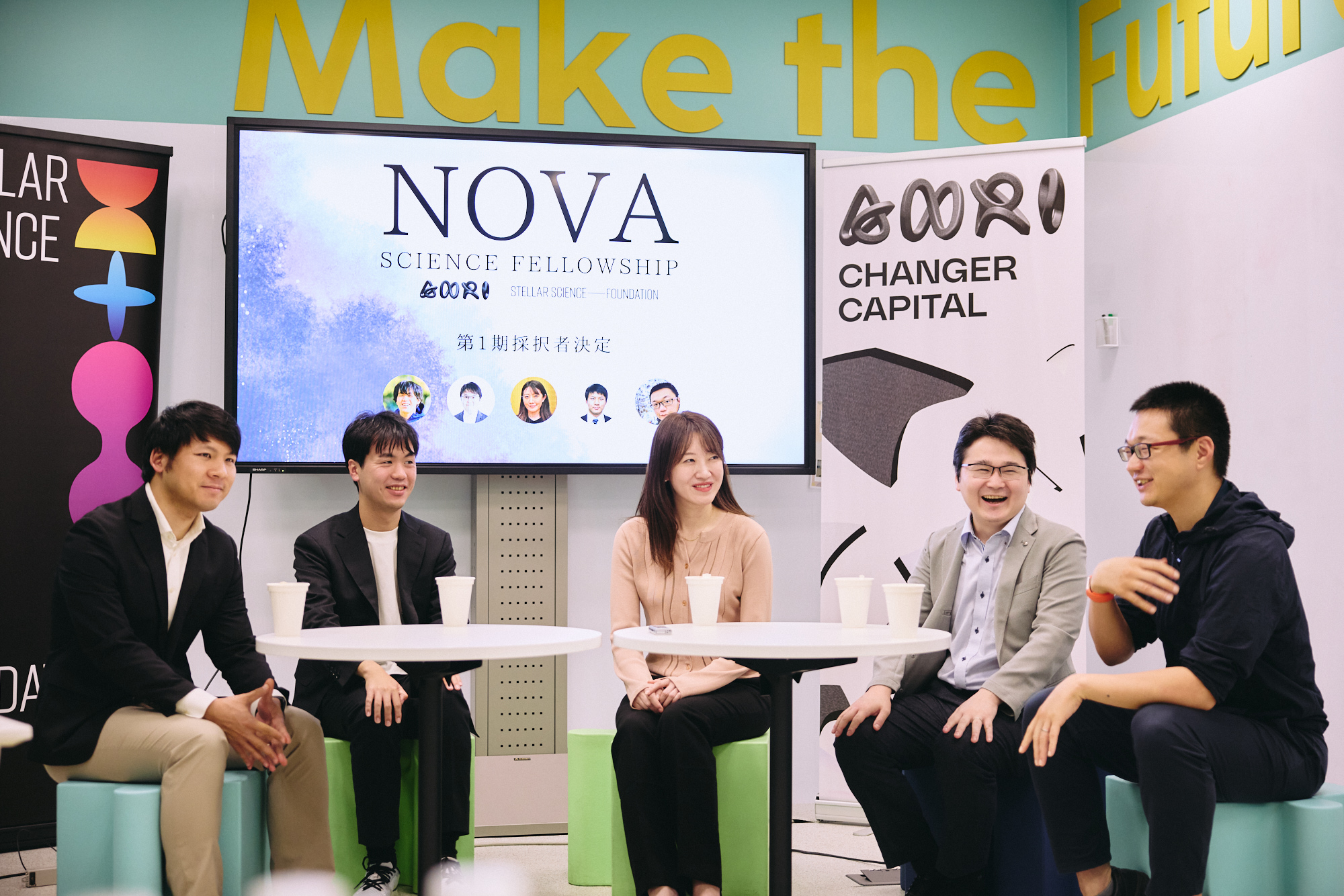
Expectations for a Community That Can Break Through “Isolation”
Why did the fellows decide to apply for the Nova Science Fellowship despite the challenges they face?
Their motivations, ranging from funding and community to societal impact, shed light on the expectations they have for the program.
The Need for Research Funding to Support Challenging Themes
Many fellows cited “securing research funding” as their main motivation for applying.
Okamoto, in particular, spoke candidly about the financial strain of pursuing her highly original research on inducing immune cells from iPS cells:
“I have to buy many reagents that only I use. Some cytokines cost tens of thousands of yen each, and I felt sorry for the lab for using so many of them,” she explained.
The more independent and unique the research theme, the harder it becomes to cover costs with existing grants alone. Being able to obtain her own funding would allow her to conduct research without hesitation. Such a pressing need became a key reason for applying.
Expectations for a Community That Breaks the Sense of Isolation
Fellows also expressed strong expectations for the Nova Science Fellowship’s network as a way to overcome the isolation they sometimes feel in their labs, and the lack of peers with whom they can casually exchange ideas.
Okamoto noted, “Through this program, I can connect with established researchers like the Stellar Inventors (*). I’ll be able to have discussions with them, and there might even be opportunities for collaboration.”
Matsuda added, “I want to actively talk not only with people from industry but also with those in fields completely different from my own.”
Kasahara also shared her hopes, saying, “Not just with other researchers, but I’d like to co-create various things—seminars, conferences, and more.”
The community, they believe, is not only a remedy for loneliness but also a source of new ideas and new spaces for creation.
(*)Researchers belonging to the SS-F community who possess unparalleled originality and imagination, and who take on ambitious scientific challenges.
Connecting Research to Society and Driving Structural Change
Another major expectation the fellows share is finding pathways to bring their research into society.
Okamoto spoke about the importance of translational opportunities:
“When you discover a seed—an early-stage finding or technology—how do you translate it? Even if you want to launch a startup, having access to professional expertise is incredibly valuable.”
Ni also expressed interest in learning from the perspective of venture capital and how new science is evaluated and supported in that ecosystem.
Iwamoto highlighted a broader ambition:
“I want to change the structure of science itself. It’s not something I can do alone, so having a place where my ideas are heard really matters.”
Through Nova Science Fellowship, the fellows are looking not only for funding or networking, but also for connections that enable societal impact and long-term change in the scientific ecosystem.
A New Beginning for the Fellows
At this first meet-up, the five fellows shared their passion for research and engaged in candid discussions about the challenges faced by early-career scientists. From feelings of isolation to the need for collaboration and funding, they found that many of their struggles were shared. At the same time, the conversation highlighted the powerful potential of community, the fresh inspiration that comes from interdisciplinary exchange, and the sense of “We could talk for hours” that emerged naturally among them.
The Nova Science Fellowship embraces a people-centric vision: a community that begins with people, connects through people, and expands because of people. It is more than a funding program, it is a platform where researchers energize one another, support each other’s bold attempts, and accelerate their respective scientific journeys. The fellows themselves are the embodiment of this vision.
SS-F and ANRI will continue to offer opportunities for researcher-to-researcher connections, networking with industry, and support for societal implementation. We look forward to the future achievements of this inaugural cohort.
Editor’s Note
Despite meeting for the first time, the five fellows quickly formed an open, lively, and intellectually stimulating atmosphere. Their research fields could not be more different, yet what united them was a shared passion for pioneering new scientific frontiers. This first meet-up of the inaugural cohort offered a glimpse into the possibilities that lie ahead.
