
Stellar Lab Radio Episode3 Guest:Kyoko Miura
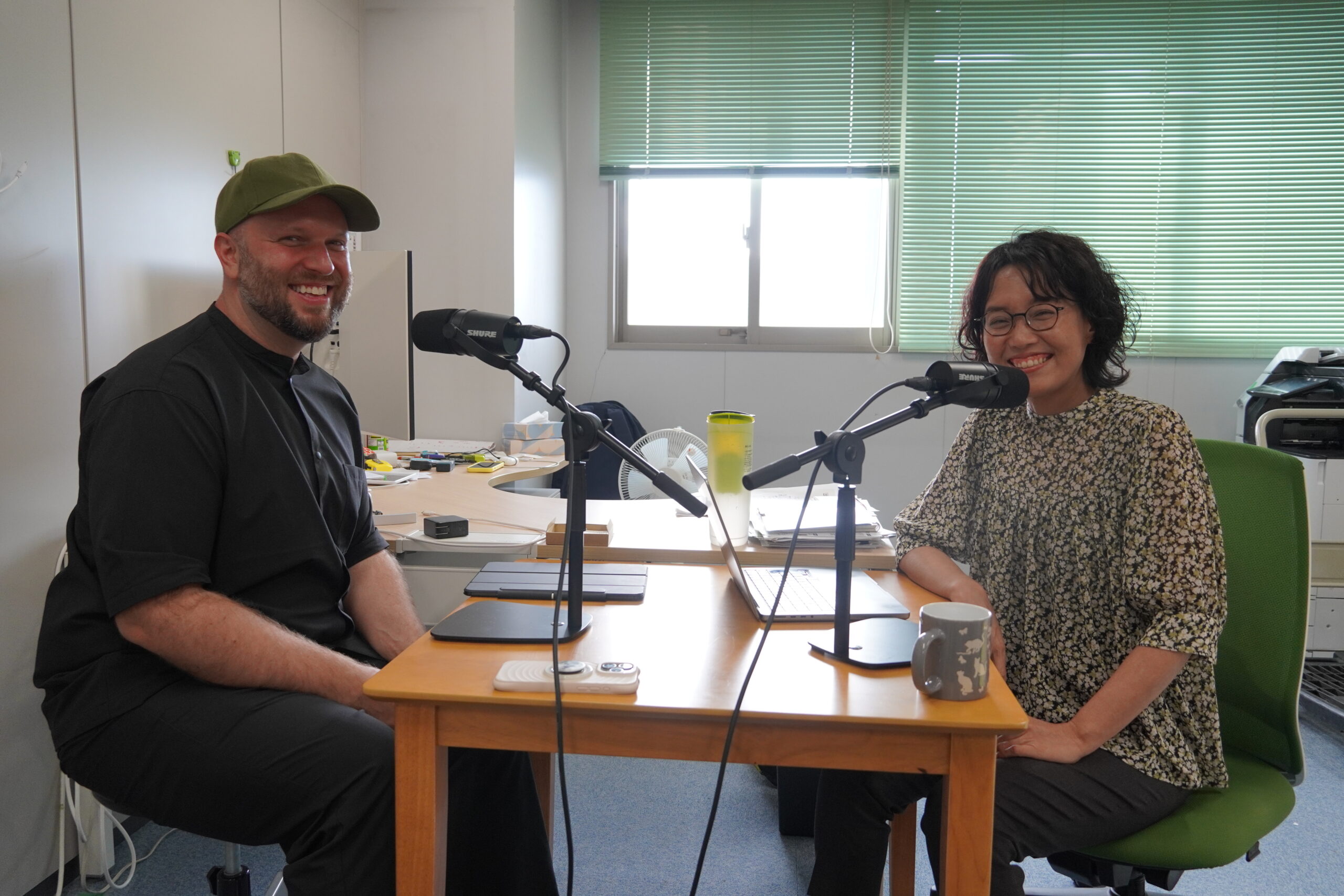
In this episode of Stellar Lab Radio, we welcome Professor Kyoko Miura from Kyushu University’s Graduate School of Medical Sciences, who explores the mysteries of aging and social cooperation through her groundbreaking research on the naked mole-rat.
In the first part of the interview, we dove into how naked mole-rats are housed, the challenges of breeding them, the biological mechanisms behind their cancer and aging resistance, and the social structures that sustain their peaceful colonies.
In the second part, we shift to Professor Miura’s personal journey—how she became immersed in research, the unexpected parallels between band life and science, her “give it 120% and if it doesn’t work, that’s okay” philosophy of challenge, and her candid messages for young researchers.
Through her stories, we explore both the joy of doing science and the value of taking on challenges, while getting a closer look at the personality and principles that shape Professor Miura as a scientist.
“Maybe I don’t need to go to college…” From a high school student with no clear path to someone who takes her first step into “science might actually be fun.”
Sean: I’d like to shift the conversation just a little. Since it came up earlier, I’d love to ask more about why you decided to become a researcher, what you enjoy about research, and how you see your relationship with science.
Miura: Mm-hmm, yes.
Sean: Earlier you mentioned wanting to extend healthy lifespan, and being curious about why people get sick — and that you wanted to contribute to human health. I’m curious what first motivated you to want that. Was there some moment or trigger?
Miura: Right, the trigger. You’re asking what made me want to become a researcher.
Sean: That’s right.
Miura: Honestly… I wasn’t someone who always dreamed of becoming a researcher.
Sean: Oh, really?
Miura: Yes. You know how a lot of researchers say they wanted to be scientists from a young age? I wasn’t like that at all. I just couldn’t find anything I really wanted to do.
Miura: In high school too, I couldn’t figure out what I wanted. I was just… wandering through life, not knowing.
(Both laugh)
Sean: I see.
Miura: Yeah.
Sean: But eventually you ended up joining a lab.
Miura: Right. In that sense, the turning point that led me toward science — toward the sciences at all — was my high school chemistry teacher, Professor Murakami Tadayuki. His classes were incredibly interesting.
Sean: I see.
Miura: When you’re young, those things influence you so strongly. I started thinking, “Wow, science is really fun.” At that time, I was actually thinking, “Maybe I don’t even need to go to college.”
Sean: Really?
Miura: I wasn’t that interested in studying. But then I thought, no — I should go to the faculty of science and study science a bit more seriously.
Sean: Wow.
Miura: So I told my parents, “Actually, I will go to college,” and enrolled. But once I got there, I ended up getting really into band activities. I tend to throw myself completely into things, and I dove into that world.
Sean: Uh-huh.
Miura: I knew I couldn’t make a living with a band, but I did have a good ear. I thought maybe I could get a job in something like recording or audio engineering. So I drifted in that direction for a while. But then, in my fourth year, I was assigned to a research lab.
Sean: I see.
Miura: And once I actually started doing experiments… it was so much fun.
Sean: Oh wow.
Miura: It was incredibly fun. So I thought, okay, I should go to graduate school — master’s and maybe PhD — and give it everything I’ve got. If I’m truly suited to academia, I would find out after doing it fully, 120 percent. And if not, I could choose a different path. So I decided to move into a master’s program. That’s when I joined Professor Yamanaka’s lab. This was before iPS cells — I wanted to understand the mechanisms that maintain ES cell pluripotency and how they differentiate into various cell types.
Immersed in Band Life at University — Are Songwriting and Research Similar? The Shared Logic of “Creating and Finishing a Work”
Sean: Wow. Sorry, but I’m really curious about the band story.
Miura: Oh, it’s really nothing special.
Sean: Please tell me — what kind of things were you doing?
Miura: Well, I was the guitarist and vocalist.
Sean: No way!
Miura: And I wrote songs too.
Sean: That’s amazing.
Miura: No, no, no — I was totally amateur.
Sean: But you were pretty into it, right?
Miura: Yes, definitely. It was a lot of fun.
Sean: Interesting. In education research, there’s this idea that science and music use similar parts of the brain.
Miura: Ah, that might be true.
Sean: Some people say that those who are strong in music tend to be strong in math as well. I wonder if there’s something to that.
Miura: I’m not sure, but I do think there are similarities. When you create a song, you start with an idea — a rough concept — and then you work with your band members, discussing how you want the song to develop, trying and adjusting things together. Eventually, you turn it into a recording, release it as a CD, or perform it live on a big stage. That process… feels a bit like research.
Sean: It really does. Fascinating.
Miura: I think that’s partly why I got so hooked — the process was so similar that I naturally fell into it.
Sean: That’s amazing. Honestly, this is too interesting.
Miura: Yeah… My parents were like, “How on earth did you end up as a university professor?”
(Both laugh)
Miura: And honestly, I don’t really know either.
Sean: That’s hilarious.
“Give it 120% first, then decide” — A Personal Rule for Living Without Regrets
Miura: Well… you never really know how life will unfold, right?
Sean: True. In the end, we all just have to keep moving forward, even when we’re unsure.
Miura: Exactly. But once I get into something, I want to pour 120% into it. If you invest that much time and energy, something meaningful usually comes out of it.
Sean: I was curious about that “120%” comment. So you decided to throw about 120% into research at first—if it turned out to be fun, great. And if not, you’d just leave it?
Miura: Yes, exactly.
Sean: I see. But where does that mindset come from—this idea of “just give it 120% first”? Did someone teach you that, or…?
Miura: Hmm… I don’t think I heard it from anyone. I just really hate regretting things later.
Sean: Ah, I get that.
Miura: If I only half-commit and then quit because nothing came of it, that would bother me so much. I’m kind of a believer in the power of effort. If I try my absolute hardest and still fail, then I can accept that. I want to be able to look back and think, “Well, I did everything I could—no regrets.”
Sean: Makes sense.
Miura: So whenever I choose to do something, I want to do enough that I won’t regret it later. But honestly, I don’t actually hit 120% most of the time.
Sean: Really?
Miura: Not really. I probably exaggerated a bit. It’s more the feeling—the desire to give it my all—that made me say 120%.
Sean: No, I think it’s great. I love it. So… how about the band? What percent did you give that?
Miura: Hmm… maybe around 100%. Not quite 120. But I do sometimes think I should’ve kept at it a little longer. Once I started doing research, though, juggling both became physically too hard.
Sean: I see.
Miura: So I decided to quit cleanly. Well—technically we never broke up. We’ve been “on hiatus” for… 20 years. I still keep in touch with the members sometimes.
Sean: Seriously? That’s amazing. So maybe someday the band will start up again?
Miura: Maybe, yes.
Is Failure a Sign Showing “the Path You Don’t Need to Take”? The Mindset of Trial and Error
Sean: That’s wonderful. What I find really beautiful is how you give something 120% so you won’t regret it later. And even if it doesn’t work out, you can still say, “Well, I tried my best.” That attitude — that approach — feels really inspiring to me.
Miura: I think there are so many interesting things in the world. You’ll always find new things you want to try. So I prefer to throw myself into something for three or five years, and if it’s not working out, I just stop and move on to the next thing.
Sean: Right. I might be biased, but I feel like many people avoid doing things because they’re afraid of failing — or because they think they might fail. But your approach is the opposite: once you decide to do something, you commit until you’ve done it. And then there’s no fear of failure, because you’ve already made the decision to see it through. I think that’s such a healthy mindset.
Miura: Yes, yes. Failure is a valuable experience. If you fail, it simply means, “This route is not the one I should take.”
Sean: Exactly — failure shows you the path you don’t need to follow.
Miura: Right. And research is the same.
Sean: I see.
Miura: You never know what you’ll get until you run the experiment. If the direction is right, sometimes you’ll get unexpected, amazing results and follow that path. But if the results don’t match your expectations, that simply means your analysis should go in a different direction. In that sense, research is very similar.
Sean: Fascinating.
Miura: It’s trial and error.
Sean: Trial and error. Instead of wondering whether you’ll fail or not, you can think: if failure gives you clarity, then you should fail early.
Miura: Exactly.
The “Pleasant Discomfort” Shared by Music and Research
Sean: There’s one more thing I keep thinking about — the idea that the process of making music and the process of doing research are actually quite similar. You start with an idea, collaborate with others, shape it through trial and error, and eventually present it — whether it becomes a paper or a CD. I really feel the processes mirror each other.
Miura: I think they’re a bit similar too.
Sean: In that sense, maybe researchers could borrow more of the mindset musicians use — the parts musicians value deeply in their creative work. I wonder what researchers and musicians could learn from each other if they talked. What overlaps? What doesn’t?
Miura: That would be interesting.
Sean: Right? I feel like there’s something there.
Miura: I think that “a bit uncomfortable” feeling is important. That slight sense of strangeness or newness. It’s the same in both research and music. If something is too harmonious, it ends up sounding like something you’ve heard before. Just another familiar song.
Sean: Yes, yes.
Miura: But if it’s too strange, no one will understand it. People will say, “What is this? This feels weird,” and they won’t buy it. So that little bit of novelty, that subtle sense of discomfort — research is similar in that way. A kind of “pleasant discomfort.”
Sean: A pleasant discomfort — I like that. Music needs that too.
Miura: I’m just talking off the top of my head though (laughs).
Sean: No, no, this is fascinating. I think “discomfort” is important. In design, noticing where that discomfort lies is often a crucial clue.
Miura: Ah, I see. So design is the same. We’re all doing similar things, aren’t we?
Sean: I think that part really overlaps.
Miura: In the end, I think all kinds of work have commonalities — not just bands, music, and research, but many different fields.
Sean: So when we think about “pleasant discomfort” in research, what exactly does that mean? How would you define it?
Miura: Hmm, well… if you think about it carefully, for researchers it might become something like a discovery that overturns common sense — that might be more than just “pleasant discomfort.” Sorry, I’m just talking loosely here.
Sean: No, no — I still think it’s a real concept. I hear many researchers say they need a little twist, a little irregularity — something unexpected. Whether it’s in how you design your experiments strategically, or how you add a twist when writing the paper. But when you try to define it, the question becomes: what exactly is that twist?
Miura: That’s true. But when you run experiments and the data come out differently from your expectations, that’s when you should pay close attention — think through new hypotheses. If a result contradicts common assumptions, it might lead to something really interesting. That’s something people often say in research.
Sean: Right — the unexpected becomes the clue. Fascinating.
Miura: In biology especially, we rarely know what will happen. So in that sense, it all comes back to trial and error. Rather than overthinking and doing nothing, it’s better to just try and then think afterward — especially when working with living systems, like cells from mackerel or anything else.
Sean: But doesn’t all that unpredictability get exhausting?
Miura: Not for me. I actually prefer things that are stimulating. I’m the type who performs better under pressure — when things feel urgent or risky.
Sean: By risky, you mean like “uh-oh, this is bad”?
Miura: Exactly. I do better when I’m backed into a corner. If things get too comfortable, I lose motivation.
Sean: Interesting. So you’re more energized when there’s tension or danger — that’s when you align with the work?
Miura: Yes, that’s when I do my best. Maybe it’s something genetic.
Sean: Does your family have similar traits?
Miura: No, not at all. My husband is the type who taps and taps and taps on a bridge to check if it’s safe — and then breaks it before crossing (laughs). Meaning he ends up not crossing at all. It’s funny.
Running a Lab as a Husband–Wife Team —Opposites Attract, and That’s Why It Works!?
Sean: This is fascinating. Actually, I wanted to ask you about something related…
Miura: Yes, yes.
Sean: You and your husband seem really close — you work together in the same lab, all the time.
Miura: That’s right.
Sean: I’m curious… what’s the secret?
Most people say working with a spouse is a guaranteed recipe for conflict.
Miura: Yes, I’ve heard that too.
Sean: So how do you two manage to make it work? Or rather — how do you make it work so well?
Miura: Well, we’ve been working together for over 10 years now.
Sean: That’s amazing.
Miura: Yeah. Spending 24 hours together every day… By our second or third year of marriage, people were already saying we had the vibe of an old married couple.
(Both laugh)
Sean: The level of togetherness is almost… naked mole-rat level.
Miura: True.
Sean: Were you originally in the same research institute?
Miura: No, no. He was actually a magazine editor.
Sean: That’s right.
Miura: He was in Tokyo, and when I became independent and started my own lab at Hokkaido University, he — very generously — decided to come with me.
Sean: Incredible.
Miura: At first he helped with caring for the mole-rats, then learned various admin tasks and lab operations.
Sean: Seeing you work as a team is really wonderful. From the outside, it looks so harmonious.
Miura: I’m grateful. Since he was an editor, he’s very good at noticing things, coordinating tasks, managing logistics…
Sean: So your skills complement each other.
Miura: Absolutely — I’m really supported by him.
Sean: That’s great.
Miura: But personality-wise, we have nothing in common. Maybe that’s why it works.
Sean: That makes sense — because you’re not overlapping.
Miura: Exactly.
Sean: One thing I find beautiful is that the success of the lab is something you can truly share — as partners and as a team. That’s really special.
Miura: …Yeah…
“Say It Out Loud When It’s Interesting” — How Dr. Miura Builds a Lab Culture
Sean: Shifting to the topic of your lab—it’s 17 people, right?
Miura: Maybe 17? Ah, no, that’s wrong. It’s 19 now.
Sean: Nineteen. If I asked them what kind of person—or what kind of leader—you are, what do you think they would say?
Miura: Hmm… I have no idea! Maybe they’d say I talk too much (laughs).
Sean: Really? You talk a lot?
Miura: They probably think, “Oh no, she’s talking again.” I feel like I was born talking.
Sean: (laughs) That’s great. But as a manager, what do you value in running the lab? How do you approach mentoring students and postdocs?
Miura: Well, everyone has different goals. My lab is mostly students, so some want to go into academia, some want to enter industry after their PhD, others after their master’s. Some want to become teachers and hope to gain research experience first so they can convey the excitement of science to their students.
So depending on their goals, what they aim for in the lab is different—and I try to be flexible about that.
Sean: I see.
Miura: But most of all, I want them to do interesting science. We’re working on such a fun subject, after all. Of course, it’s not always fun—experiments fail a lot. But I still want them to experience the excitement, the sense of “wow, this is fascinating.”
Sean: Do you think most of them are excited?
Miura: I think so… probably. I’m not sure (laughs).
Sean: I think they definitely are. How do you help them feel that excitement? How do you create that environment?
Miura: I think communicating it is really important. When you’re just starting out in research, it takes time to understand what’s interesting and what’s not. I was the same. So I make an effort to say it clearly: “This part is interesting.”
Sean: Ah, I see.
Miura: Because they won’t know unless someone says it. When you’re new, you can’t tell what’s fun or important yet. So I try to say it explicitly.
Sean: That makes sense. When you start research, you do experiments, data appears, and you think, “What is this…?”
Miura: Exactly.
Miura: I realized this a few years into running my lab. At first, I assumed people naturally understood what was interesting. But beginners have no idea. So I realized: before giving advice on improvement, I need to clearly communicate why this is exciting.
Sean: That’s wonderful. And because you do that, the students probably start aiming for more exciting ideas, discovering what fascinates them, and creating their own spark.
Miura: Yes, I think so.
“If You Love Experiments, Stick With It for Three Years” The Words From Dr. Yamanaka That Kept Her Going
Sean: If you were to give young researchers any advice, what would it be? Maybe something about taking risks, speaking up more, being proactive…?
Miura: This connects to what we talked about earlier, but—if you’re unsure and you truly want to do something, then you should just try it first. There’s only so much you can do at once, so if you’re hesitating, it’s better to act and think afterward.
And when you have multiple options, choosing the safer one isn’t always the best. Often the more challenging path works out better. If it doesn’t, you can simply quit.
Sean: I see.
Miura: If you take a risk and it turns out, “Ah, that was a mistake,” then you just withdraw quickly. That cycle increases the number of challenges you can attempt. Choosing the mildly safe option over and over is less productive. Life is long, after all.
Sean: Yes, exactly.
Miura: Even if we end up living to 120, or just 80 or 100—that’s still a long time from your twenties. You can do a lot.
Sean: Honestly, I’m the same… I also think it’s better to think while doing, not before.
Miura: I agree. Doing it helps you see things clearly.
Sean: It feels like a wonderful approach.
Miura: Of course, doing a bunch of things for five minutes and then quitting isn’t ideal. But if you give something a solid 3–5 years, seriously, then it’s different. If someone’s interested in research—well, I’m not in a position to preach, but—I was terrible at experiments during my master’s. Like, unbelievably bad.
Sean: (laughs)
Miura: My RNA always degraded, my plasmids disappeared after extraction… I was just bad. And I really struggled with that. I even went to my advisor at the time, Dr. Shinya Yamanaka, and asked, “I’m so terrible at experiments… should I just get a job instead?”
I thought I wasn’t cut out for research.
He asked me, “Miura-san, you say you’re bad at experiments, but do you like doing experiments?”
And I said, “I love experiments. Nothing is working, but I absolutely love doing them.”
Then he told me, “If you love experiments, you’ll be fine. Put your whole heart into it—give it three years, like sitting on a stone.”
I remember thinking, “Three years on a stone… that means I’ll have to do a PhD too, won’t I?” (laughs)
But I didn’t say it.
Sean: (laughs)
Miura: I said, “Okay, I’ll do that,” and entered the PhD program. And after three years, I really did improve. If you work hard, you naturally get better.
Sean: That’s amazing.
Miura: And after that, I could finally see the bigger picture. Giving yourself enough time—and giving it your full effort—to see whether something will work out is really important. And if you repeat that cycle enough times—say, five cycles of three years in fifteen years—you will find something that suits you.
If there are young people thinking about research, I really hope they consider doing a master’s or PhD. It can open the door to a truly enjoyable research life.
Sean: Beautifully said.
Miura: I highly recommend it.
Sean: Thank you so much. Today’s conversation wandered in many directions, but in the best way. Your final message was really moving. Thank you for giving us so much of your time.
Miura: Thank you.
Stellar Lab Radio – exploring world-changing research that nobody knows about yet.
